
Starting a Pilates studio is a big step, and you're wondering if the investment will pay off. You see the potential but worry about the risks and high costs.
A reformer Pilates business can be highly profitable. Your success, however, depends less on class prices and more on maximizing equipment utilization, managing long-term operational costs, and choosing a reliable supplier. Smart planning is the key to a strong return on your investment.
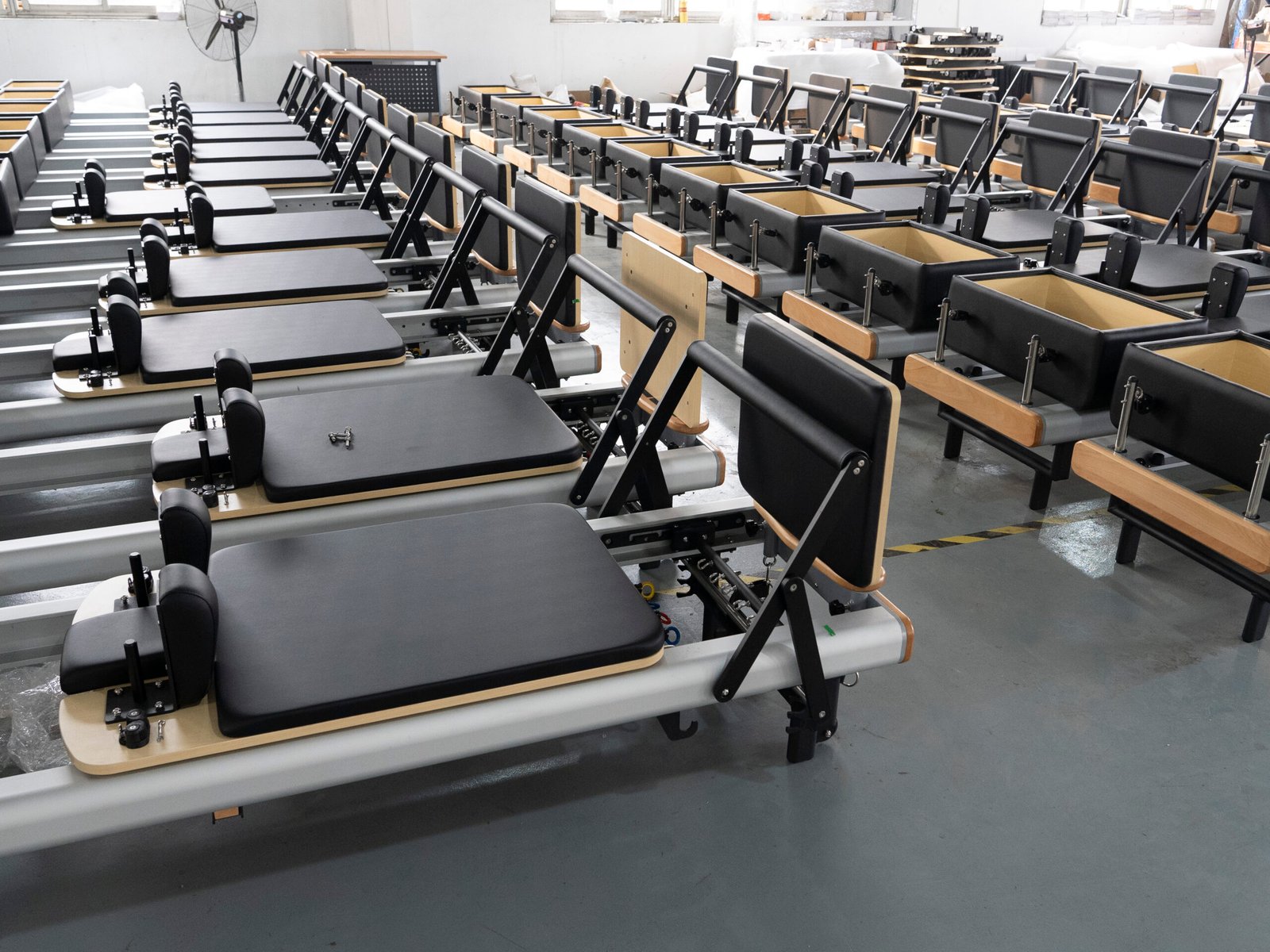
I've been manufacturing Pilates equipment for eight years. In that time, I've spoken with hundreds of studio owners, from first-timers buying their initial set of reformers to established businesses planning major expansions. I’ve seen what works and what doesn't. The most successful owners don't just focus on the upfront cost of their equipment. They think bigger. They think about the entire business ecosystem, from class schedules to supplier relationships. Let's break down what truly drives profitability, based on what I've learned from working directly with people just like you.
How Can You Maximize Reformer Utilization for Higher Profit?
Empty reformers don't make money. You're worried about scheduling gaps and low booking rates, which directly hurt your bottom line. Let's shift your focus to keeping those machines busy.
Maximize utilization by creating a smart class schedule that matches instructor availability and peak demand times. Analyze your booking data constantly. The goal is to keep each reformer generating revenue for as many hours as possible each day, which is the true key to profitability.
Your reformers are your primary revenue-generating assets. The more they are used, the more money you make. It sounds simple, but many new owners focus more on the number of reformers they have rather than how often they are booked. A studio with eight reformers that are 80% booked is far more profitable than a studio with twelve reformers that are only 40% booked. Your goal is to increase the revenue per reformer.
Think like a seasoned studio owner. They obsess over their schedules. They use booking software to identify peak times (usually early mornings, lunch, and evenings) and stack their most popular classes and instructors in those slots. They might offer discounts or specialized workshops during off-peak hours to attract different clients.
Here is a simple way to think about it:
| Metric | Description | Why It Matters |
|---|---|---|
| Utilization Rate | The percentage of available class spots that are booked. | This is your main health indicator. A higher rate means more revenue. |
| Revenue per Reformer | Total revenue divided by the number of reformers. | Helps you understand the efficiency of each machine. |
| Peak vs. Off-Peak | Scheduling popular classes when demand is highest. | Maximizes income when people are most likely to book. |
I've seen studios double their revenue without buying a single new machine, simply by optimizing their schedule. They listen to their clients, track their data, and stay flexible.
Does Buying Cheaper Reformers Really Save You Money?
A low upfront price for reformers seems like a smart business move. But what if frequent breakdowns and maintenance issues start eating into your profits and class time?
Cheaper reformers often cost more in the long run. You must consider downtime from repairs, the cost of replacement parts, and a shorter lifespan. A durable, commercial-grade reformer with reliable support protects your revenue, which is a better investment than a low initial price.
When you're starting, every dollar counts. The temptation to choose the cheapest equipment is strong. I get it. But from my experience at our factory, I can tell you that the purchase price is only one piece of the puzzle. The true cost of a reformer is its "total cost of ownership" over its entire life in your studio.
I once got a call from a new studio owner in distress. He had bought reformers from a different online supplier because the price was 20% lower than our quote. He felt like he got a great deal. But six months later, two of his eight reformers were broken. The supplier was unresponsive, and he couldn't find replacement parts. He was losing revenue from two spots in every single class. His "savings" were quickly erased by lost income and mounting frustration.
This is what a true cost comparison looks like:
| Feature | Cheaper Reformer | Durable Commercial Reformer |
|---|---|---|
| Upfront Cost | Low | Higher |
| Lifespan | 2-3 years | 8-10+ years |
| Downtime | Frequent; parts are hard to find | Rare; parts are available from supplier |
| Maintenance | Constant small repairs | Scheduled, predictable maintenance |
| Client Experience | Squeaky, wobbly, feels unsafe | Smooth, stable, builds trust |
| Long-Term Cost | High (Downtime + Replacement) | Lower (Long life + Consistent Revenue) |
Your reformers are the heart of your business and a direct reflection of your brand. Investing in quality, commercial-grade equipment isn't an expense; it's a strategy to protect your future revenue.
How Many Reformers Should You Actually Buy for Your Studio?
You dream of a studio full of reformers. But buying too many too soon can drain your cash flow and leave you with empty, unused equipment. Let's find the right number.
The right number of reformers depends on your space, instructor capacity, and business stage. Start with a number that allows for comfortable spacing and that you can realistically fill. You can always add more later. Overbuying is a common and costly mistake for new studio owners.
One of the most common questions I get is, "How many reformers should I buy?" My answer is always the same: "It depends." Buying more machines does not automatically equal more profit. In fact, it can be the opposite if you're not careful.
First, consider your physical space. I always ask for room dimensions. You need enough space around each reformer for clients to move safely and for instructors to walk around and offer corrections. A cramped studio feels cheap and unsafe. We've helped many clients map out their floor plans, and often they discover that eight perfectly spaced reformers create a better experience (and are more profitable) than ten reformers squeezed together.
Second, think about your cash flow. Every reformer you buy is capital that is tied up. If you buy 12 reformers but only have enough clients for six, the money spent on those six empty machines could have been used for marketing to fill the studio. Start with a number you are confident you can fill within the first 6-12 months. This creates a buzz and a feeling of demand. Waiting lists are a good problem to have. You can always expand. Phase your growth. Start with 6 or 8, build a strong community, then add more as your demand and cash flow grow.
Why Does Your Reformer Supplier Matter More Than You Think?
You've picked your reformers and are ready to order. But what if your supplier delivers late, the quality is inconsistent, or they disappear when you need support?
Your supplier is your partner. A reliable one ensures your equipment arrives on time for your grand opening, provides consistent quality for future expansions, and offers support when you need it. An unreliable supplier can delay your launch and damage your brand's reputation.
Choosing a supplier is not just a transaction. It's the beginning of a long-term relationship that can make or break your business, especially in the early stages.
Imagine this: your grand opening is scheduled for June 1st. You've signed the lease, hired instructors, and started marketing. But your reformers are delayed by two months. Now you are paying rent on an empty studio and explaining delays to disappointed clients. This happens more often than you think. As a manufacturer with 12 automated production lines, we understand that on-time delivery is critical. It's not just about a machine; it's about your business timeline.
Then there’s consistency. Let's say you successfully launch with eight reformers. A year later, your business is booming, and you're ready to add four more. You need those four new reformers to look and feel exactly like your original eight. A supplier with weak quality control might send you a new batch with slightly different wood colors, upholstery, or spring tensions. This inconsistency can make your studio look unprofessional.
Finally, think about after-sales support. What happens when you need a replacement part three years from now? A good supplier has a dedicated customer service team and a system for providing parts and technical help. An unreliable one might not even answer your emails. Your supplier’s stability and professionalism directly impact your ability to run your studio smoothly for years to come.
Conclusion
A reformer Pilates business can be very profitable. Focus on high utilization, understand the total cost of your equipment, buy the right number for your space, and choose a reliable supplier.