
I see many buyers feel stuck. The price looks confusing, the features look similar, and one wrong choice can hurt daily studio operation.
The best Pilates reformer machine to buy is the one that matches your real use case, class volume, durability needs, maintenance plan, and long-term cost. I would not choose only by price, appearance, or feature count.
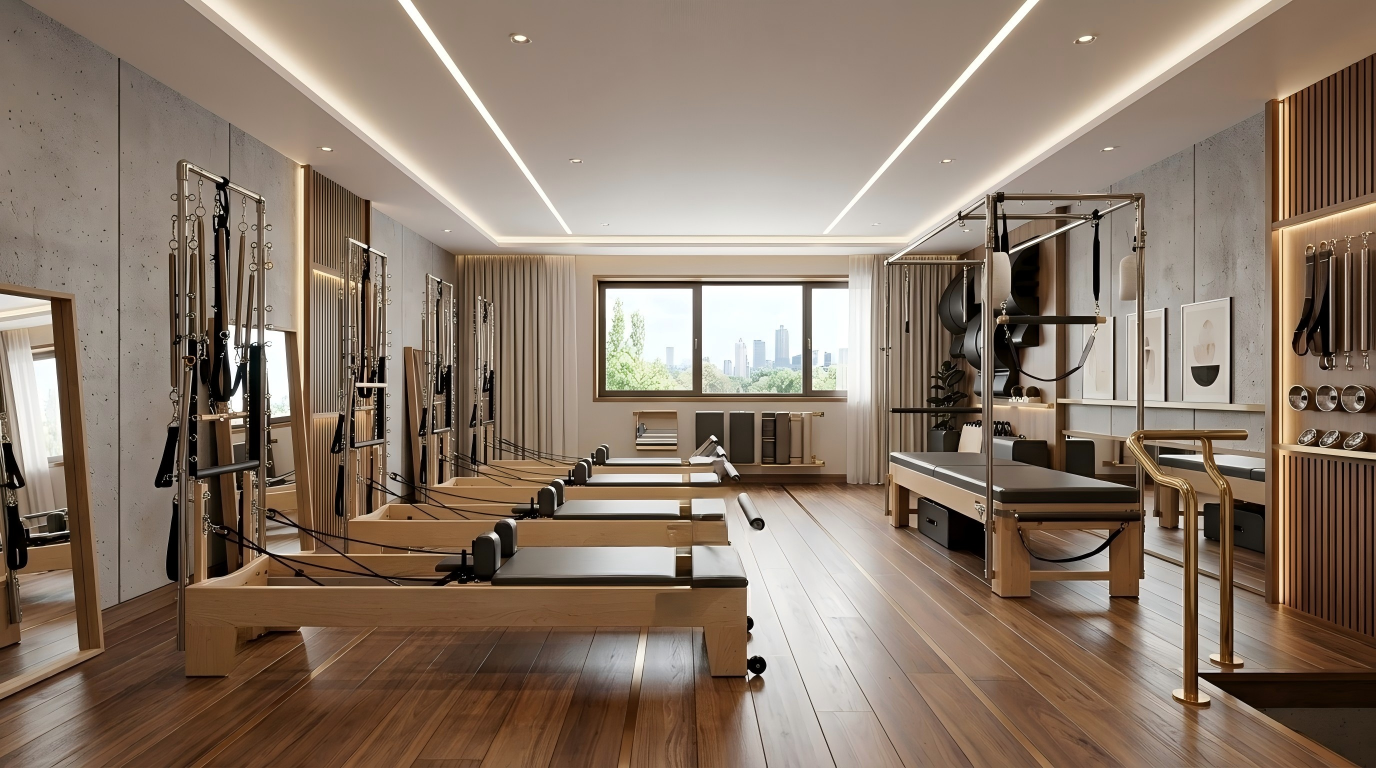
From my factory-side work with Pilates reformer buyers, I learned that the word “best” can be misleading. A reformer that works well for a home user may not survive daily group classes.[^1] A premium-looking model may still create noise, shaking, or repair stress if the inside structure is weak. I always ask one simple question before I talk about specs: how will this reformer be used every week? That answer changes the whole buying decision.
Why does your studio use case decide the best reformer?
I often see buyers start with photos. That feels easy, but it can hide the real problem. A wrong match costs money later.
The best reformer depends on who uses it, how often it is used, and what type of session you run. I would choose different reformers for private studios, group studios, chain locations, home users, and rehabilitation settings.
I start with the business model
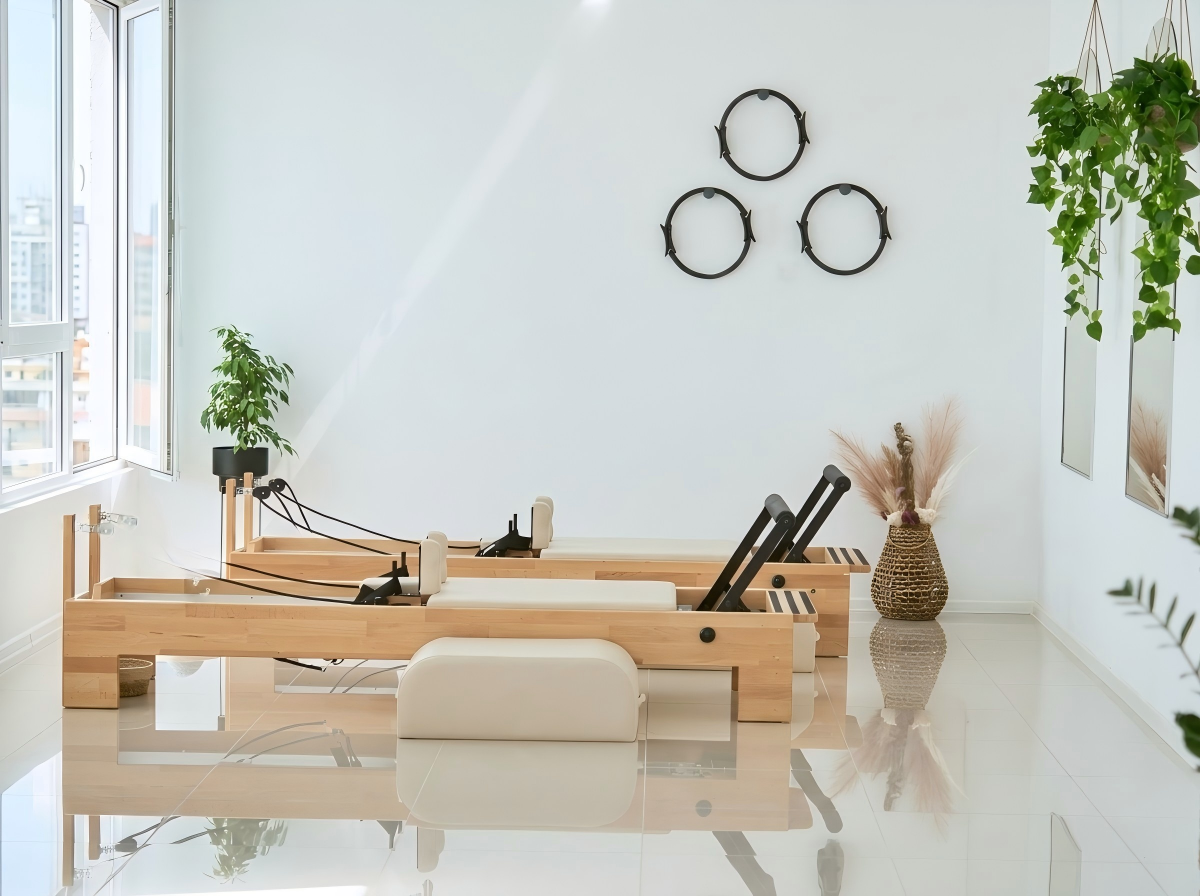
From our manufacturing and customer communication experience at VTreformer, I see that the same machine can feel “excellent” or “wrong” in different settings. A private studio may need quiet movement and a premium member feel. A group-class studio may need high durability, easy cleaning, and fast setup between classes.[^2] A chain studio may care more about standard models, stable supply, spare parts, and repeat orders. A home buyer may care about space, foldability, and simple use. A rehabilitation center may care about smooth resistance, stable support, and clear certification documents.[^3]
I do not treat these buyers as one group. I ask how many users touch the reformer each day. I ask how many classes happen each week. I ask whether instructors adjust the machine often. I also ask whether the buyer can handle simple maintenance.
| Buyer type | Main concern I would check | Why it matters |
|---|---|---|
| Private studio | Quiet use and premium feel | Members notice comfort and sound |
| Group-class studio | Frame strength and fast adjustment | Heavy use exposes weak parts quickly |
| Chain studio | Supply stability and spare parts | Expansion needs repeatable purchasing |
| Rehabilitation center | Smooth motion and compliance documents | Users may need more controlled movement |
| Home buyer | Space and easy storage | Daily convenience matters more |
I define “best” before comparing products
I usually tell buyers not to ask, “Which reformer is best?” first. I suggest asking, “Which reformer is best for my real use pattern?” This small change prevents many bad purchases. It also keeps the decision practical. I have seen buyers choose a low-cost model for a busy group studio. The machine looked fine at first. After some months, small problems became daily complaints. The better question at the start could have saved the buyer time, repair cost, and member frustration.
Why does commercial-grade durability matter more than surface features?
I know shiny details attract attention. Yet under daily use, weak rails, loose frames, and poor spring feel become clear very fast.
Commercial-grade durability matters because it protects member experience during repeated use.[^4] I focus on frame stability, rail smoothness, spring rebound, carriage movement, and load-bearing consistency before I focus on decorative features.
I look past the first impression
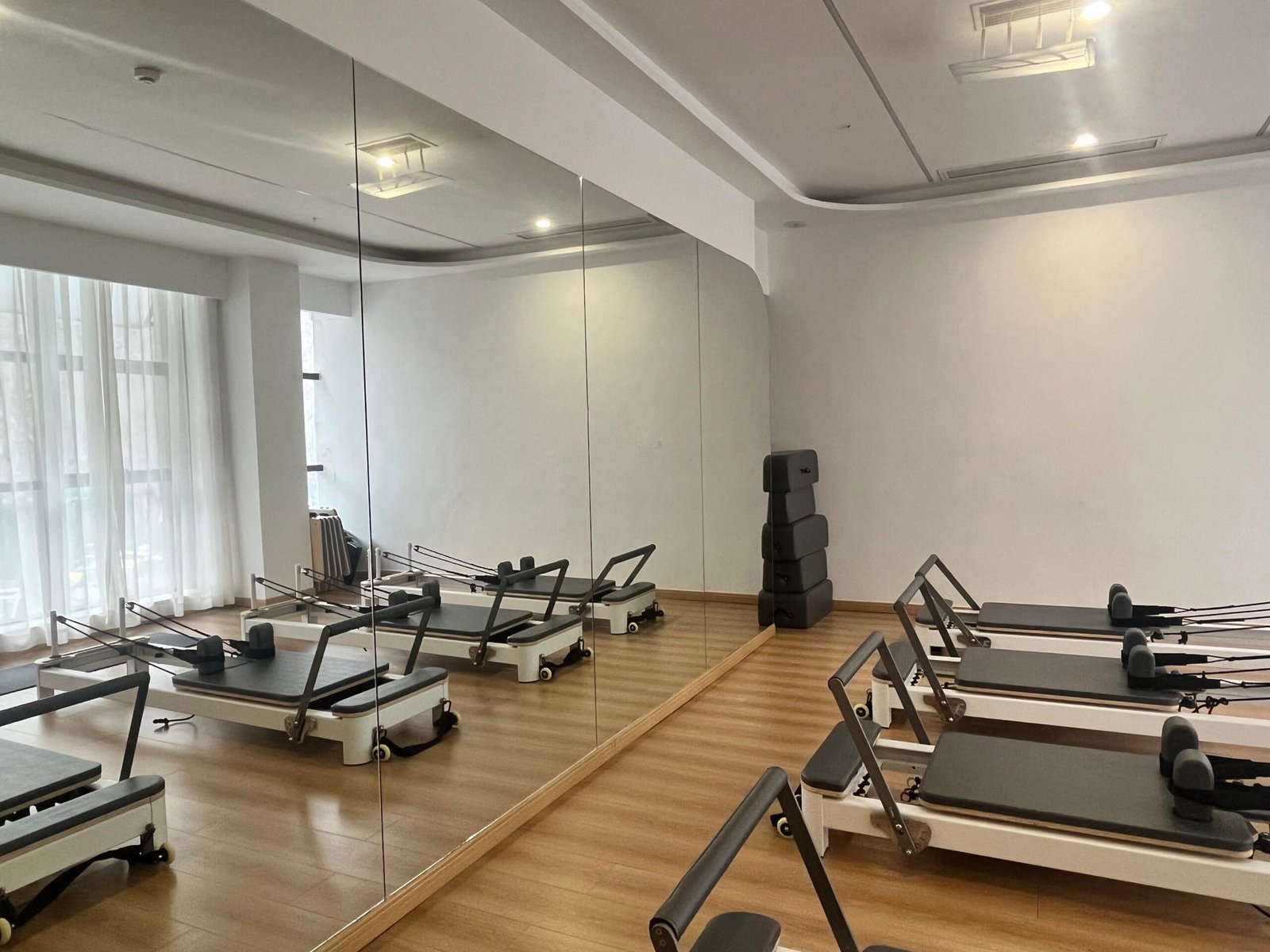
A reformer can look beautiful in a product photo. I respect design, but I do not stop there. In a studio, the reformer must handle repeated movement, different body weights, instructor adjustments, and daily cleaning. The frame should stay stable when users move with force.[^5] The carriage should glide without sudden stops.[^6] The springs should give a steady rebound. The rails should not feel rough after short use. The ropes, pulleys, and footbar should support frequent adjustment without feeling loose.
When I speak with studio owners, I hear the same pattern. Members may not know the material grade or rail design. They do feel wobbling. They do hear noise. They do notice if the carriage does not move smoothly. These small feelings shape trust in the studio.
| Durability point | What I check | Studio impact |
|---|---|---|
| Frame stability | Does the structure shake under movement? | Users feel safer and more confident |
| Rail smoothness | Does the carriage glide evenly? | Classes feel more professional |
| Spring rebound | Does resistance feel steady? | Instructors can guide better |
| Load consistency | Does the reformer feel stable for many users? | Fewer complaints during busy hours |
| Adjustment parts | Do footbar and ropes stay firm? | Faster class change and less downtime |
I connect specs to real use
I do not like spec lists that do not explain why they matter. A stronger frame is not just a number. It helps reduce shaking. Smooth rails are not just a selling point. They protect the flow of movement. Better springs do not only sound premium. They help instructors create a more stable class rhythm.
In my own factory visits, I often stop at the production line and watch how parts fit together. A small gap, rough movement, or weak connection may not look serious in a showroom. It can become serious after hundreds of uses. For a commercial studio, durability is not a luxury. It is part of the service you sell every day.
Why can a cheap reformer become more expensive later?
I understand why buyers compare prices first. Cash flow matters. But a cheap machine can become costly when it interrupts classes.
A cheap reformer can cost more over time if it creates noise, wobbling, repairs, downtime, shipping delays for parts, or early replacement.[^7] I compare purchase price with total cost of ownership.
I measure cost beyond the invoice
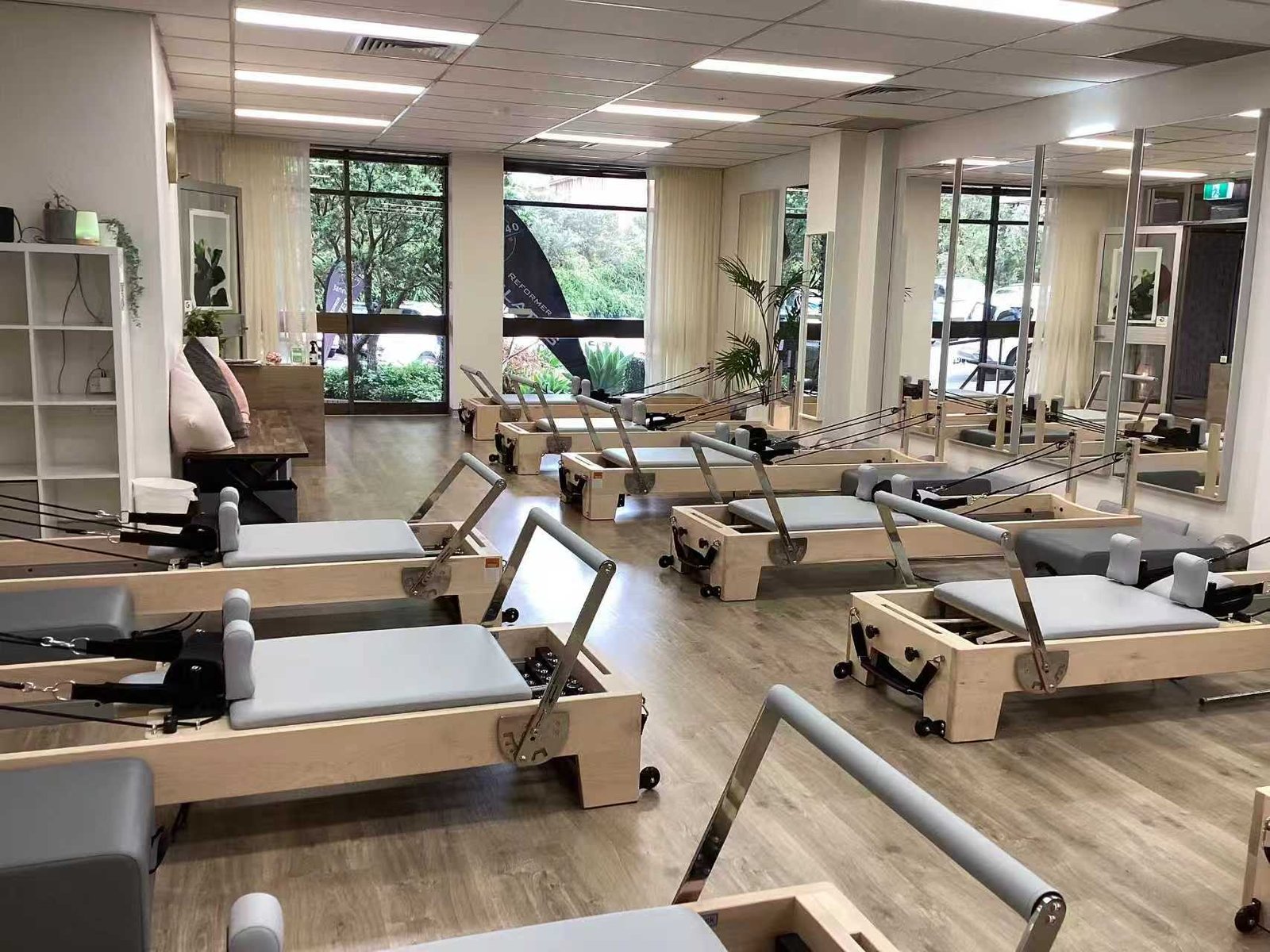
The purchase price is easy to see. The hidden cost is harder to see. A low-priced reformer may look like a smart choice on day one. The real test comes after daily use. If the carriage makes noise, members may complain. If the frame wobbles, instructors may lose confidence. If one machine breaks, a group class may lose one station.[^8] If spare parts are hard to get, the reformer may sit unused. That lost use is also a cost.
I have spoken with buyers who saved money on the first order and spent more later. They had repair delays. They had to replace parts early. Some had to replace the full machine before their plan. This is why I ask buyers to calculate cost over years, not only at checkout.
| Cost type | Low first-price risk | Better buying question |
|---|---|---|
| Repair cost | Weak parts need replacement | How easy are parts to replace? |
| Downtime | One broken reformer reduces class capacity | How fast can support respond? |
| Member complaints | Noise or shaking affects experience | Will users feel stable and smooth movement? |
| Early replacement | Machine life may be short | What is the realistic commercial use level? |
| Staff time | Instructors handle small problems | Can the machine stay easy to operate? |
I use total cost of ownership
Total cost of ownership sounds like a business term, but the idea is simple. I add the purchase price, repair risk, downtime risk, spare part cost, shipping cost, and replacement timing. A reformer with a higher first price may be cheaper if it works longer with fewer interruptions.[^9] A lower-priced reformer may still be fine for light home use. It may not be fine for a studio with full daily classes.
I also think about brand reputation. If members see damaged or noisy reformers, they may question the studio. That cost is not on the invoice, but it is real. In my view, the best reformer is not always the most expensive one. It is the one that gives the best balance between stable use, service life, and manageable maintenance.
Why should after-sales support affect your buying decision?
I see many buyers check the machine but forget the supplier. That is risky. A reformer is not useful when support disappears.
After-sales support matters because every studio needs clear warranty terms, spare parts access, fast communication, and practical problem solving.[^10] I would check the supplier’s response ability before placing a serious order.
I treat the supplier as part of the product
A Pilates reformer is a physical product, but the supplier relationship is part of the value. If a footbar part needs replacement, you need an answer. If springs need to be reordered, you need stable parts. If a shipment has damage, you need clear handling. If you plan to open more studios, you need a supplier who can repeat the same quality and keep production stable.
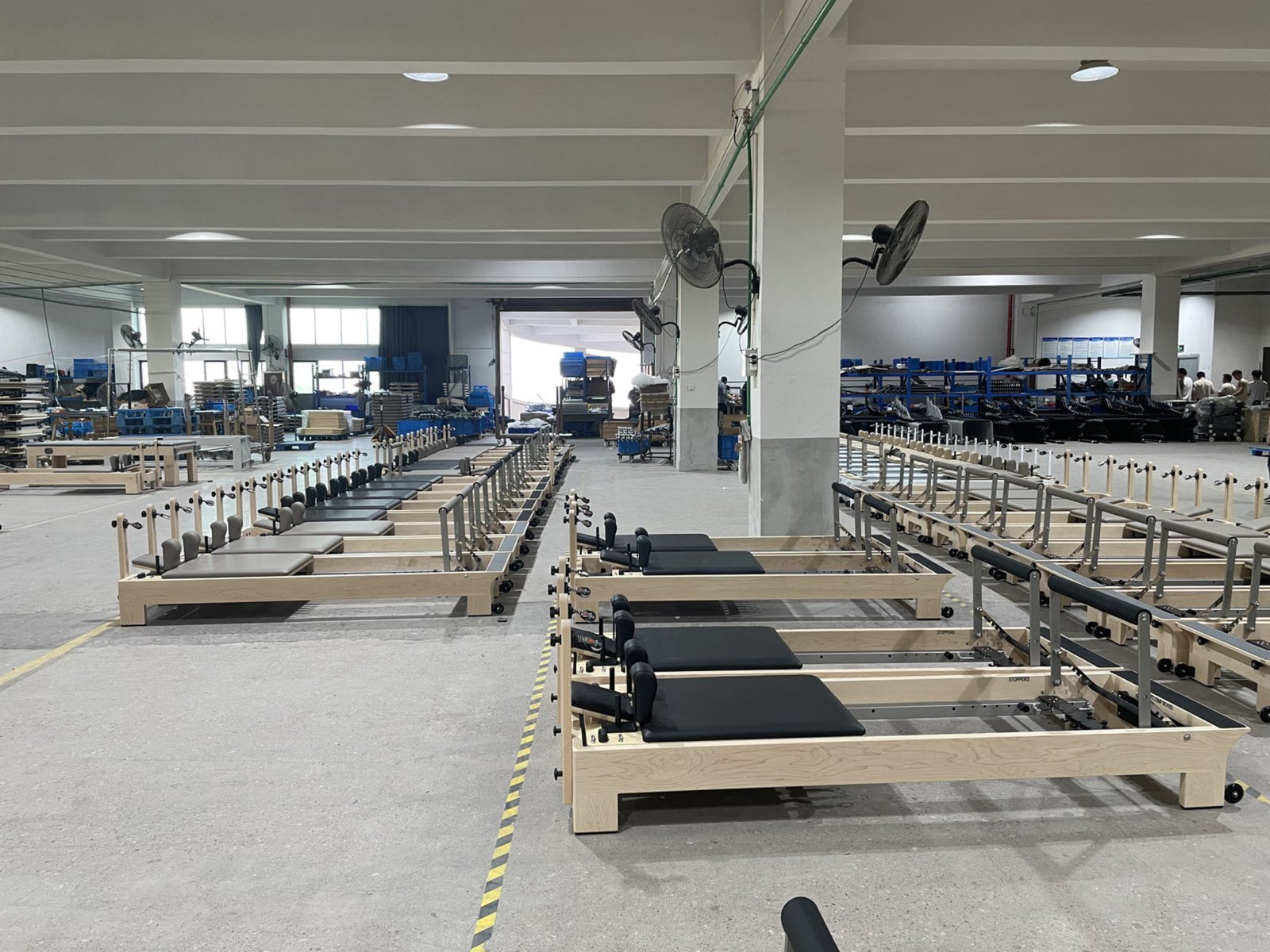
At VTreformer, we work as an 8-year source factory with a 20,000㎡ facility, 12 automated production lines, and a team covering sales, service, design, and production. I mention this not as a hard sell, but as an example of what I would ask any supplier to show. A buyer should check whether the supplier can support real commercial operation after the first payment.
| Support item | What I would ask | Why it matters |
|---|---|---|
| Warranty terms | What is covered, and for how long? | Buyers need clear risk control |
| Spare parts | Are common parts in stock? | Repairs become faster |
| Response time | Who handles problems after delivery? | Studio downtime can be reduced |
| Certifications | Can the supplier provide documents? | Importers and institutions may need proof |
| Production capacity | Can the supplier repeat orders? | Expansion plans need stable supply |
I ask support questions before payment
I suggest buyers ask simple and direct questions. Can you provide CE, ISO9001, RoHS, or related documents if my market needs them?[^11] What parts are easy to replace? What parts are included in the warranty? How do I report a problem? How long does a normal reply take? Can I order the same model again later? Can you support OEM design if I run my own brand on Amazon or Shopify?
These questions show how the supplier works. A strong supplier should not only send pretty photos. A strong supplier should explain limits, give clear terms, and help the buyer avoid wrong choices. I do not expect any supplier to be perfect. I do expect honest communication and practical support. For studio owners, this can protect class schedules and reduce stress after delivery.
How should I choose the best reformer for a growing studio?
I know growth brings pressure. More classes mean more users, more wear, and more chances for small problems to become big ones.
For a growing studio, I would choose a reformer that supports daily class volume, repeat purchasing, standard setup, reliable spare parts, and stable member experience across locations.
I plan for the next stage, not only today
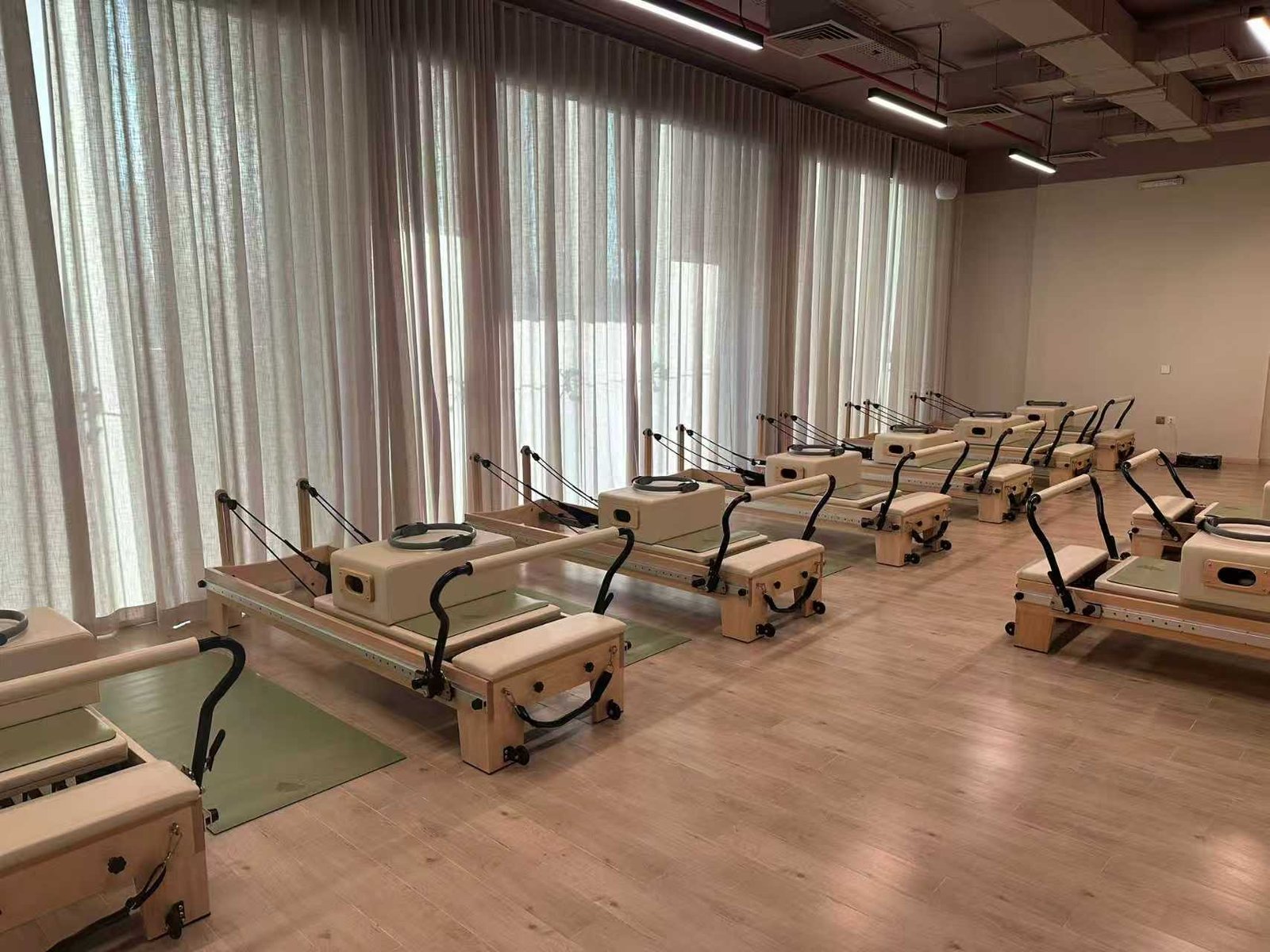
A new studio may start with a few reformers. A growing studio may need ten, twenty, or more. The buying logic changes when scale grows. I would not only ask whether one reformer looks good. I would ask whether the same model can be supplied again. I would ask whether instructors can teach across the same setup. I would ask whether replacement parts stay consistent. I would also ask whether the supplier can handle OEM branding, packaging needs, and delivery planning if the buyer is a reseller or chain operator.
Growth makes small differences more important. If each batch has a different feel, instructors may need to adjust.[^12] If parts are not standard, repair becomes harder. If the supplier cannot support repeat orders, expansion slows down.
| Growth need | Buying focus | Practical result |
|---|---|---|
| More classes | Commercial-grade structure | Machines handle higher use |
| More instructors | Standard adjustment design | Teaching becomes more consistent |
| More locations | Repeatable model supply | Brand experience stays stable |
| More repairs | Spare parts system | Maintenance becomes easier |
| More branding | OEM options | Resellers and chains gain control |
I build a simple buying checklist
When I help buyers think through a purchase, I use a checklist. First, I define the class model. I ask whether the studio runs private sessions, group classes, or both. Second, I estimate weekly usage per reformer. Third, I check frame stability, carriage smoothness, springs, rails, ropes, pulleys, and footbar structure. Fourth, I review warranty, spare parts, and supplier response. Fifth, I compare total cost, not only the first price. Sixth, I ask whether the supplier can support future orders.
This checklist keeps the decision clear. It also avoids emotional buying. I know a beautiful reformer can create a strong first impression. I also know a reliable reformer creates value every day. For a growing studio, the best choice is usually the one that makes operations smoother, not the one that only looks impressive in a photo.
Conclusion
I would buy the reformer that fits real studio use, stays durable, lowers downtime, and comes with clear supplier support.